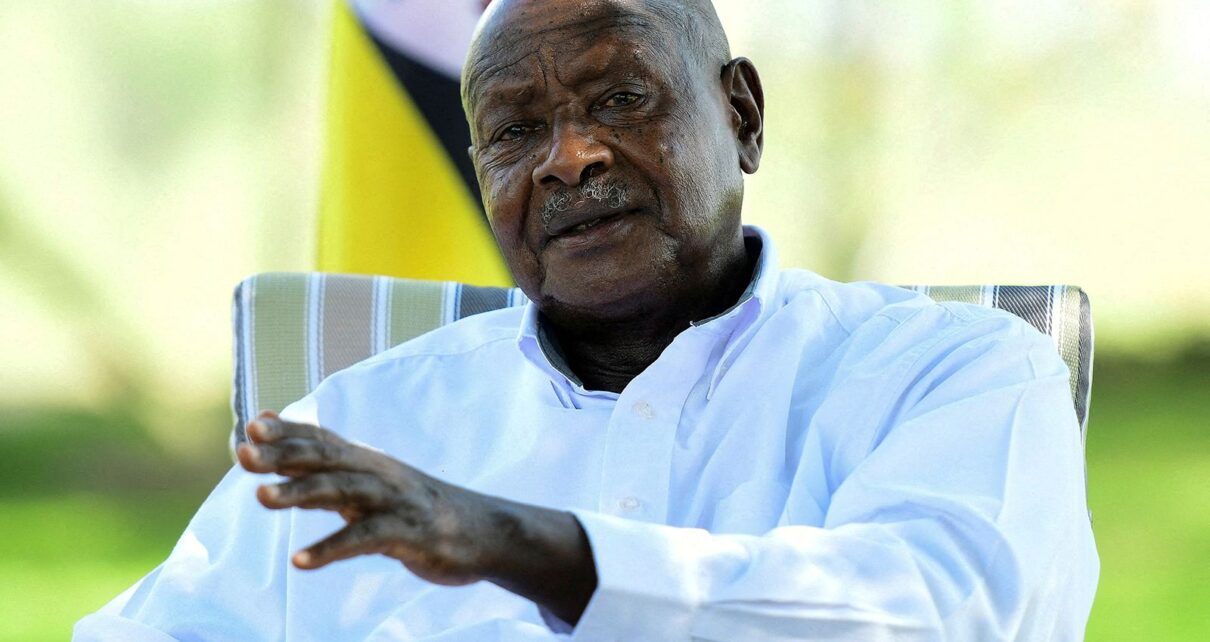
Yoweri Museveni is set to be sworn in on May 12, 2026, at the Kololo Ceremonial Grounds in Kampala following his victory in the recent presidential election. The ceremony will mark yet another milestone in Uganda’s political journey, as Museveni begins a new term in office, extending a leadership era that has lasted for four decades.
Museveni’s continued stay in power reflects both his enduring political influence and the complex dynamics of Ugandan politics. Since taking control in 1986, he has positioned himself as a stabilizing force in the country, often highlighting achievements in security, infrastructure development, and regional diplomacy. His supporters argue that his leadership has been instrumental in maintaining peace and driving economic growth, particularly in a region that has historically experienced political instability.
The swearing-in ceremony at Kololo is expected to attract regional leaders, dignitaries, and thousands of supporters. Such events are not only symbolic but also serve as a public reaffirmation of authority and continuity in governance. The choice of Kololo Ceremonial Grounds, a venue known for hosting major national events, underscores the importance of the occasion in Uganda’s political calendar.
However, Museveni’s re-election has not been without controversy. Critics and opposition figures have often raised concerns about electoral fairness, governance, and democratic space in Uganda. These debates continue to shape both domestic and international perceptions of his administration. As he embarks on another term, the expectations placed upon his government remain high, particularly in addressing youth unemployment, economic inequality, and political reforms.
Looking ahead, Museveni’s new term presents both opportunities and challenges. With a youthful population and evolving economic demands, Uganda stands at a critical point in its development path. The decisions made during this term will likely have a lasting impact on the country’s future, influencing not only economic progress but also the strength of its democratic institutions.
The May 12 inauguration will therefore be more than just a ceremonial event. It will symbolize continuity, resilience, and the ongoing debate about leadership and governance in modern Africa.