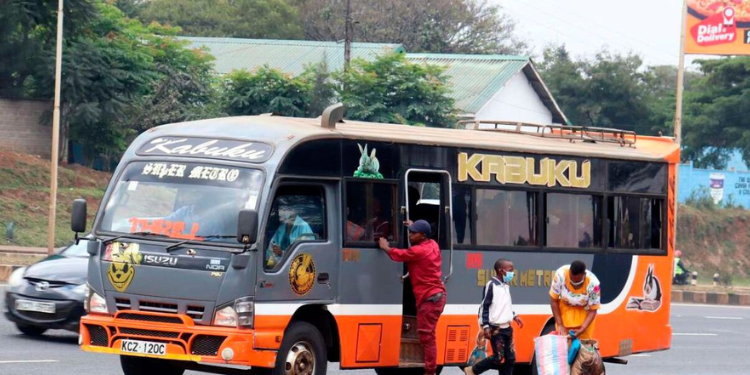
The introduction of a new route by Super Metro has stirred significant reactions among commuters in Nairobi, particularly those traveling along the busy Rongai corridor. The move is seen as a major shift in the public transport sector, offering hope to thousands of passengers who have long struggled with unreliable services.
For years, commuters in areas such as Ongata Rongai have faced persistent challenges, including long queues, inconsistent fares, and poor customer service from some matatu operators. These difficulties have made daily commuting stressful and unpredictable, especially during peak hours when demand for transport is highest. As a result, the entry of Super Metro into this route has been widely welcomed as a potential solution to these ongoing problems.
Super Metro has built a reputation for relatively organized operations, discipline among crew members, and better customer experience compared to many other SACCOs. Its expansion into the Rongai route is therefore expected to introduce a new level of competition, which could force existing operators to improve their services in order to retain customers. Increased competition often leads to better pricing, improved efficiency, and higher standards of service delivery.
However, the announcement has also sparked debate among Kenyans. While many commuters have expressed excitement and optimism, others remain cautious. Some fear that fares could rise, making the service unaffordable for low-income earners who rely heavily on public transport. Affordability remains a key concern, and many have urged the SACCO to strike a balance between quality service and reasonable pricing.
The development also highlights the growing demand for efficient transport systems in Nairobi’s expanding metropolitan areas. As more people move to satellite towns such as Rongai in search of affordable housing, the pressure on existing transport infrastructure continues to increase. Reliable and well-managed transport services are therefore essential in supporting economic activities and improving the quality of life for residents.
Super Metro’s new route represents more than just an expansion; it symbolizes a possible turning point in how public transport is managed in the city. If the SACCO maintains its standards and meets commuter expectations, it could set a benchmark for others to follow. Ultimately, the success of this initiative will depend on consistency, affordability, and the ability to deliver on the promise of better service.